


PetNoter: Pet Health Tracker
4.29.00 Reviews
App Specs
- Version
- 2.2.10
- Updated On
- License
- Free
- Downloads
- 10,000+
- Developer
- PetNoter
- Categories
- House & Home
- Platform
- Android
Screenshots
 Analysis by AppCompare
When a pet has more than one health detail to keep straight, the hardest part is often remembering where each one was recorded. A vaccine date may be on a clinic printout, a medication note in a phone app, and the next appointment in a calendar. I like the idea behind PetNoter: Pet Health Tracker because it gives those records one pet-focused home. Its most useful role is as a digital organizer for health information, not as a substitute for a veterinarian or a source of medical decisions.
Why a dedicated health record can help
PetNoter is a free House & Home app from PetNoter, with optional in-app purchases. It has a 4.2 average from around a hundred ratings, and more than ten thousand installs. The Everyone age rating makes it suitable for a broad audience, while the app’s purpose is quite specific: keeping vaccine records and vet logs organized. That focus matters if you want a place to check what happened at a previous visit without searching through messages or paperwork.
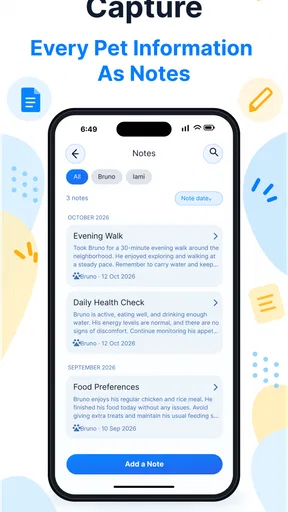
The practical benefit is less about collecting a large amount of information and more about making a useful record easy to find. A clear history can help you prepare for a conversation with a vet, especially when you are managing ongoing care or looking after several animals. I would still treat entries as notes for reference: professional advice and the clinic’s own records remain the authority for treatment and vaccination decisions.
How I would use it between appointments
Rather than waiting until a visit to organize everything, I would add details soon after an appointment, while instructions and dates are still fresh. That simple habit can make the log more useful later. If a pet’s care involves recurring appointments or vaccines, recording the event promptly creates a timeline you can consult when arranging the next visit. It also helps avoid relying on memory when a clinic asks what was done previously.
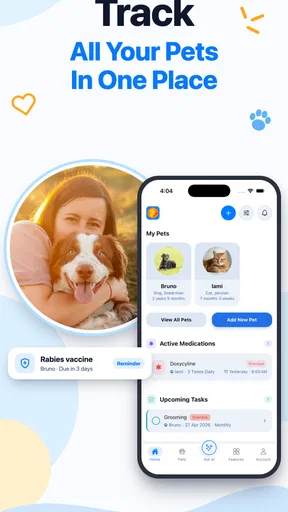
For a household with more than one pet, I would pause before saving each entry and check that it belongs to the right animal. That small step is especially valuable when two pets have similar appointments or medications. A health organizer only helps if the records are accurate and attached to the correct pet; a quick review after entering information is a sensible safeguard.
I would also keep the information concise and practical. The date, the reason for a visit, and the relevant instruction are more useful in a quick check than a long, unstructured note. If a detail is important for an upcoming appointment, I would verify it against the clinic’s paperwork rather than assuming an older entry is complete. This approach makes a personal log easier to scan without turning it into a replacement medical file.
A realistic routine for a busy pet owner
Imagine getting home after a routine vet visit while also juggling errands and a pet eager to get back to its usual day. It is easy to set the paperwork down and tell yourself you will sort it out later. With PetNoter, the useful routine is to record the visit while the details are at hand, then check the entry when planning the next appointment. The payoff comes weeks or months later, when a question about the pet’s history does not require searching a drawer or scrolling through unrelated notes.
Worth Reading Before You Choose

Flipboard Shows What News Apps Must Do Beyond the Feed

Switching to Android Auto Means Rethinking Your Driving Routine

Google Calendar Makes a Crowded Week Easier to Manage

Ludo King Makes the Most of the Minutes Between Plans

Baby Panda World Brings Quick Play to Modern Phones, but Its Game Library Feels Busy

ESPN’s Live Game View Makes Following Close Games Easier
This is particularly handy for people who share care. One person may take the pet to the clinic while another handles follow-up at home. A consistent record can give both caregivers a common reference point, provided they agree to keep it current and check that new information has been entered. It will not resolve misunderstandings by itself, but it can reduce the “I thought you had that date” problem that comes with informal handovers.
A closer look at PetNoter in everyday use
Let’s face it—keeping track of vet appointments, medications, and grooming schedules can sometimes feel like a full-time job. But with PetNoter: Pet Health Tracker, you can manage all of it right from your phone. The app is designed with user-friendliness in mind, so even if you’re not the most tech-savvy pet parent, you’ll find it super intuitive.
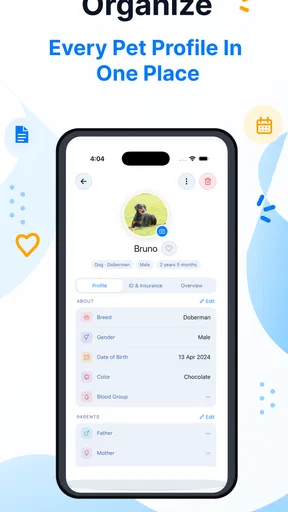
Right from the get-go, setting up profiles for your furry (or not-so-furry) friends is straightforward. You just enter basic details like name, age, and breed, and voilà! You’ve got a digital dossier ready to go. The interface is clean, and navigating between different sections feels natural.
Features That Make Life Easier
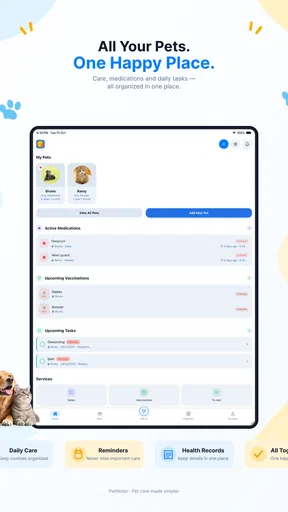
One of the standout features is the appointment tracker. You can log all past and future vet visits, and even set reminders for upcoming shots. No more digging through paper records or trying to remember when the next heartworm test is due. The app sends you gentle nudges so you won’t miss a thing.
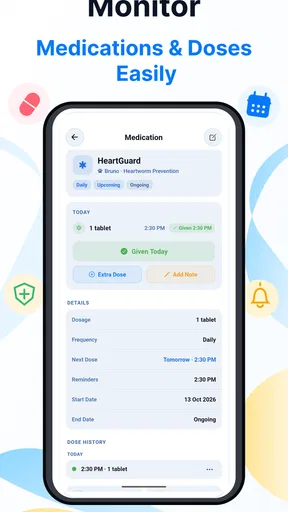
Medication management is another lifesaver. You can store all medication details, dosage instructions, and refill reminders. Plus, it even suggests local pharmacies where you can fill prescriptions, which is a nifty touch.
Got a pet with special dietary needs? You can log all their dietary information too. The app lets you note any allergies, preferred brands, and feeding schedules. It’s like having a personal assistant who knows all the quirks of your pets’ eating habits.
For the health-log function to earn its space on your phone, it needs to fit the way you already manage care. I would not move every scrap of paper into it in one sitting. Instead, I would start with each pet’s current information and the next appointment or vaccine date that matters, then add older history only when it is useful. That keeps setup manageable and gives you a quick test of whether the record-keeping routine suits you.
There is also a practical distinction between a reminder and a confirmed medical instruction. A notification can prompt you to check a date or contact the clinic, but it should not decide whether a treatment is due. If plans change, update your own records and follow the veterinarian’s latest guidance. This is a sensible way to use any personal health log, and it matters most when care schedules are adjusted after a consultation.
For people who already rely on a general calendar, the trade-off is straightforward. A calendar can be faster for a single appointment, but it may not keep the pet’s broader history beside the event. PetNoter’s appeal is that the information is organized around animal care rather than mixed with work meetings and household reminders. On the other hand, someone who only needs one annual date may find a standard calendar perfectly adequate and prefer not to maintain a separate app.
Connecting with the Community
What really sets PetNoter apart is its community feature. You can connect with other pet owners, share tips, and even set up playdates. It’s a great way to get advice or just chat with folks who understand the joys and challenges of pet ownership. The community vibe is friendly and inviting, making it easy to find your tribe.
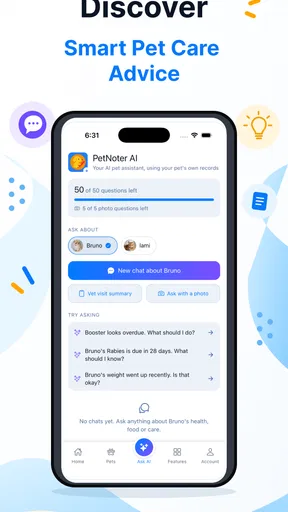
There’s also a resource section packed with articles and tips on pet care. Whether you’re a first-time pet parent or a seasoned pro, there’s always something new to learn.
Even if you enjoy those social and informational areas, I would keep them separate from decisions about an individual animal’s health. Advice from other owners can be useful for discovering questions to raise, but it cannot account for a particular pet’s history in the way a veterinarian can. The organizer is at its best when it helps you keep facts and questions together before a visit, rather than encouraging you to self-diagnose.
One helpful habit is to note questions as they come up, then bring them to the next appointment instead of trying to remember them in the waiting room. Another is to check a record after a change in care, so an old note does not accidentally guide a later conversation. These are modest routines, but they make a log more dependable over time and reduce the chance that useful context gets lost between visits.
Where the convenience has limits
A phone-based record depends on someone entering and maintaining the information. If you prefer paper, rarely open health apps, or do not want to type details after appointments, the convenience can disappear quickly. I would also be cautious about treating any single digital record as the only copy of essential information. Keeping clinic documents available for important appointments gives you a backup and makes it easier to verify an entry if something looks unclear.
The app is free to install, with in-app purchases ranging from $1.99 to $24.99 per item. That gives prospective users a reason to check which parts suit their routine before paying for anything. If your needs are limited to occasional appointment dates, the free experience or a regular calendar may be enough; if you are considering a purchase, decide first which specific task you want it to improve.
PetNoter is currently at version 2.2.10 and requires Android 7.0 or later. Those details are worth checking against your device before setting up a record you plan to rely on. The app was released on July 25, 2021, and its modest review count means I would put more weight on trying its workflow personally than on assuming every household will use it the same way.
Who will get the most from it
In a world where we’re constantly juggling tasks, PetNoter: Pet Health Tracker offers a refreshing way to manage your pets’ health effortlessly. It’s a one-stop shop for all things pet-related, and it’s clear the developers have put a lot of thought into making it as helpful as possible.
While the app covers a lot of ground, it’s the attention to detail that really makes it shine. From tracking vaccinations to organizing meetups with other pet owners, the app makes sure you’re never out of the loop.
I can see it being most useful for a pet parent who wants a dedicated record, a caregiver who needs to coordinate visits with someone else, or a household managing recurring health tasks. It is less compelling for someone who already has a reliable system and only needs a reminder now and then. It is also not the right choice for anyone expecting a medical service that interprets symptoms or replaces a clinic’s records; its value is in organization.
So, if you’re looking for a way to streamline your pet care routine, give PetNoter: Pet Health Tracker a whirl. Who knows? It might just become your new best friend in the realm of pet management. Download it today and see the difference it can make!
Pros
- User-friendly interface makes tracking easy.
- Comprehensive health records for all pets.
- Syncs seamlessly across multiple devices.
- Customizable reminders for vet visits.
- Secure data storage with privacy features.
Cons
- Limited features in the free version.
- Lacks integration with some vet systems.
- No offline mode available.
- Occasional sync delays reported.
- Ads can be intrusive in free version.
FAQs for PetNoter: Pet Health Tracker
What is PetNoter: Pet Health Tracker used for?
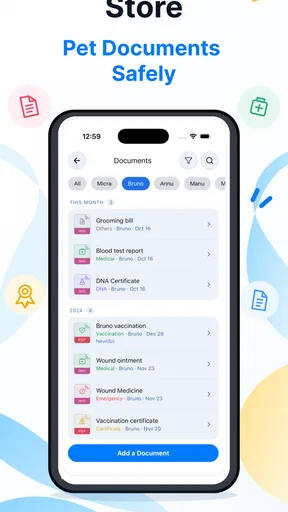
PetNoter: Pet Health Tracker is designed to help pet owners manage and track their pets’ health records. The app allows users to log information such as vet visits, vaccinations, medications, and more. It serves as a centralized hub for all pet-related health data, making it easy to access and share with veterinarians.
Is PetNoter available for both Android and iOS devices?
Yes, PetNoter is available for both Android and iOS platforms. This ensures that users can access their pet's health information on a wide range of devices, offering flexibility and convenience whether you have a smartphone or a tablet. You can download the app from the Google Play Store or Apple App Store.
Does PetNoter allow for multiple pet profiles?
Absolutely! PetNoter supports multiple pet profiles, allowing users to manage the health records of all their pets in one place. Each profile can hold specific information such as breed, age, medical history, and upcoming appointments. This feature is particularly useful for households with more than one pet.
Is the data stored in PetNoter secure?
PetNoter prioritizes the security of your data. The app uses encryption to protect sensitive information, ensuring that your pet’s health records are safe. Additionally, users can set up a password or biometric authentication to access the app, adding an extra layer of security to your data.
Can I share my pet’s health information with the veterinarian using PetNoter?
Yes, PetNoter makes it easy to share your pet’s health information with your veterinarian. The app allows you to export health records and send them via email or other sharing options. This feature ensures that your vet has all the necessary information for accurate diagnosis and treatment.


